Track every purchase for a single week — every coffee, every top-up, every “just this once” — and most people find at least one number that genuinely surprises them. Not the rent. Not the car payment. Something small and repeated that quietly added up to more than they’d have guessed. That’s usually the moment basic budgeting stops being enough and advanced budgeting techniques start to earn their keep.
A simple income-versus-expenses budget tells you whether you’re above or below water. It doesn’t tell you which specific habits are pulling you under, or which ones barely matter at all. For that, you need to go one level deeper — into sub-categories, tracking windows, and the uncomfortable but useful habit of labelling every purchase as a need or a want.
Why “basic” budgeting stops working
A budget with one line for “Food” and one line for “Entertainment” is a reasonable starting point, but it hides more than it reveals. Two people can both spend £400 a month on food and be in completely different situations — one buying groceries efficiently, the other losing £150 of it to delivery apps and impulse snacks. The single line “Food: £400” can’t tell them apart.
Sub-categories fix that. Instead of one broad “Food” line, break it down: groceries, takeaway, coffee, work lunches, snacks. Do the same for the categories that matter most to you — clothing might split into work clothes and everything else; travel might split into commuting and leisure trips. The goal isn’t infinite detail for its own sake. It’s detail wherever you suspect money is quietly leaking.
Breaking expenses into micro-categories
Pick your three or four biggest or vaguest spending categories and split each into three to five sub-categories. Under “Clothing,” you might track “Work,” “Everyday,” and “Shoes” separately. Under “Utilities,” split out electricity, internet, and insurance rather than lumping them together. The more specific the label, the easier it is to spot the one that’s out of line.
- Food — groceries, takeaway, coffee, work lunches
- Household — cleaning supplies, small repairs, subscriptions
- Transport — fuel, public transport, parking, maintenance
- Personal — clothing, grooming, entertainment, hobbies
Run this level of tracking for at least a month. A single week can be misleading — it might catch a one-off expense or miss a monthly one entirely. A full month gives you a genuinely representative picture of where the money goes.

The needs-vs-wants tracking method
Once you’re recording purchases by sub-category, add one more layer: mark each entry as a need or a want. Rent, minimum debt payments, and basic groceries are needs. A second streaming subscription, a takeaway coffee when there’s a kettle at home, a clothing purchase that wasn’t planned — these are wants, and there’s nothing wrong with having some. The point isn’t to eliminate wants. It’s to see, in total, exactly how large that column has grown.
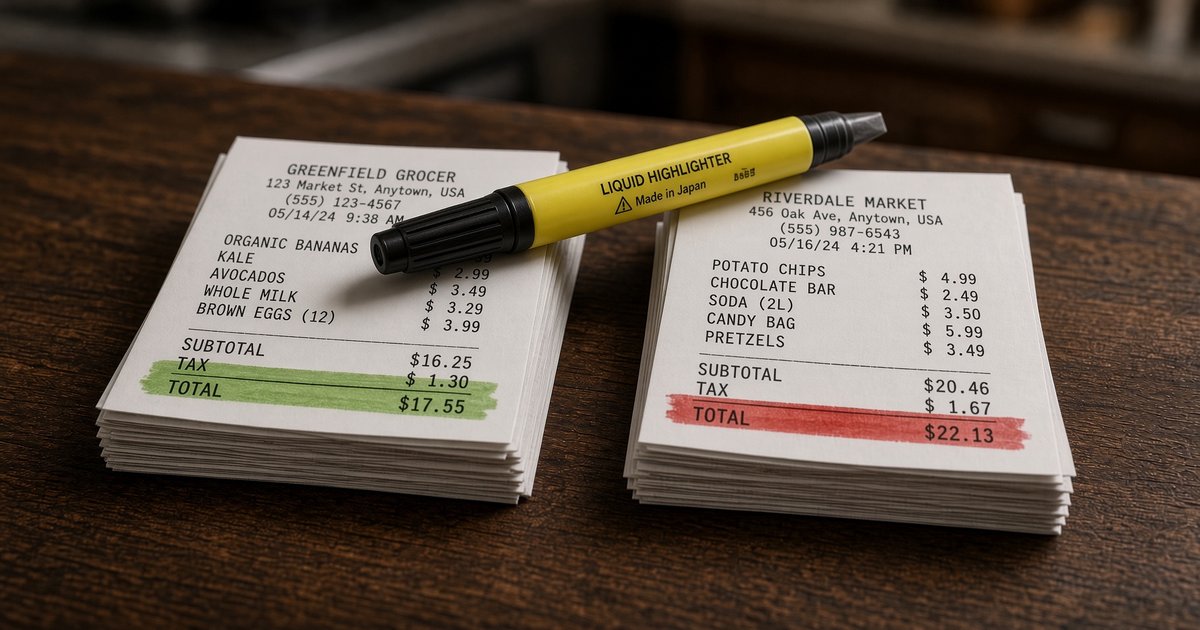
Some people find it useful to physically colour-code this — a red mark for wants, a green one for needs — so the pattern is visible at a glance rather than buried in a column of numbers. At the end of the week, total the “want” column on its own. For a lot of people, that single total is the most motivating number in the entire exercise, because it’s the one they have the most direct control over.
You don’t need to cut every want to fix a budget. You just need to know, precisely, how big that column has gotten — most people never actually check.
Turning a month of data into real decisions
Once you’ve got a full month of categorised data, the next step is simple: rank the sub-categories from largest to smallest and look hard at the top three. Almost always, at least one of them will be higher than you expected. That’s your starting point — not the smallest, most obvious expense to cut, but the biggest one you didn’t realise was that big.
This is also where the picture becomes genuinely useful for planning ahead. If “Takeaway” turns out to be £180 a month and you had no idea, you now have a specific, quantified target — not a vague resolution to “eat out less,” but an actual number to bring down and measure against next month.
Small, gradual cuts beat drastic ones
Once the leaks are visible, the instinct is often to cut everything at once — no more takeaway, no more subscriptions, nothing. That approach rarely survives more than two or three weeks. It’s a lot of change to sustain all at once, and one bad week is enough to make the whole plan feel like it’s failed.
A gentler approach tends to stick better. If takeaway coffee happens most weekday mornings, cut it to three days instead of five before eliminating it entirely. Once that feels normal, cut again. The changes are smaller, which makes them easier to maintain, and each small win builds the confidence to make the next one. See our guide on the 5% rule for a version of this idea applied across your entire budget at once.
Advanced budgeting isn’t about tracking everything forever — most people scale back the detail once they’ve identified and fixed their biggest leaks. It’s a diagnostic tool you bring out when the basics aren’t telling you enough, use intensively for a month or two, then dial back once you’ve got the answers you needed.